Types of Periodontal Diseases and Their Treatments
Good oral health is essential to your overall well-being, but it can often be compromised by silent conditions. Periodontal disease is an infection that damages the gums and the bone supporting the teeth, which can eventually lead to tooth loss.
At Lapointe Dental Centres, we offer tailored treatment approaches to help manage this condition and support the health of your gum tissue.
Understanding Periodontal Diseases and Their Origins
Periodontal diseases are infections caused by a buildup of bacteria on the teeth and beneath the gumline. Understanding the difference between gingivitis—an early stage of inflammation—and periodontitis—a more advanced condition—is the first step toward effective treatment.
What Are Gingivitis and Periodontitis?
Gingivitis is the earliest stage of gum disease, marked by gum inflammation. It is often reversible with good oral hygiene. Periodontitis, however, is a more serious condition where the inflammation affects the supporting structures of the teeth, including the alveolar bone, leading to potentially irreversible damage.
Risk Factors for Periodontal Disease
Several factors can increase the risk of developing periodontal disease and influence how it progresses. Poor oral hygiene is the primary cause, as it encourages the buildup of plaque and tartar.
- Smoking, which weakens the gum’s immune response
- Certain medical conditions, such as diabetes
- Genetic predisposition or hormonal changes
- Stress and poor nutrition
The Different Types of Periodontal Disease
It’s important to understand that periodontal diseases come in several forms, each with its own characteristics. This classification helps the dentist establish an accurate diagnosis and recommend a treatment plan tailored to each patient’s situation.
Gingivitis – A Reversible Inflammation
Gingivitis is the earliest and most common stage of gum disease, caused by the accumulation of dental plaque. Its main symptoms include bleeding when brushing, red gums, and swelling. Fortunately, this inflammation is fully reversible with professional cleaning and a thorough oral hygiene routine, including daily flossing.
Chronic and Aggressive Periodontitis
Chronic periodontitis is the most common form, progressing slowly and primarily affecting adults. It leads to the gradual destruction of the periodontal ligament and bone. Aggressive periodontitis, which is less common, progresses very rapidly and can occur in younger patients. Both types require periodontal treatment to stop the loss of supporting tissue and prevent tooth loss.
Other Rare Forms of Periodontal Disease
Beyond chronic and aggressive periodontitis, there are other less common types of periodontal disease. Some are linked to systemic conditions, such as uncontrolled diabetes or cardiovascular disease. Others may be associated with specific genetic disorders. These more complex cases require a multidisciplinary approach to manage both the patient’s oral health and overall medical condition, as the infection can have widespread effects.
Diagnosis and Symptoms to Watch For
Detecting periodontal disease in its early stages is key to achieving effective and less invasive treatment. It’s essential to recognize warning signs and understand how your dentist makes a precise diagnosis during a regular dental exam.
Warning Signs of Gum Disease
Certain symptoms should alert you to consult a dental professional promptly. Regular gum bleeding, persistent bad breath, increased tooth sensitivity, or gum recession are all common indicators. Unusual tooth mobility may also suggest damage to the supporting bone and tissues.
The Periodontal Diagnosis Process
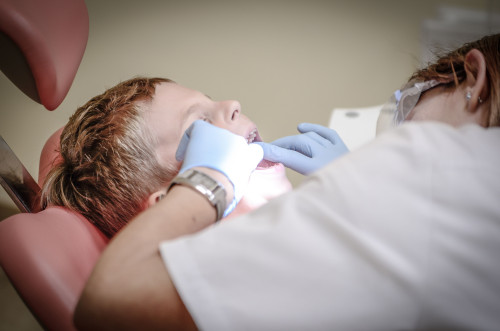
Diagnosing periodontal disease involves a thorough dental examination. Your dentist or dental hygienist will use a probe to measure the depth of the periodontal pockets around each tooth. X-rays are also taken to assess bone health. A complete periodontal assessment helps determine the severity of the condition and the most appropriate treatment plan.
Available Periodontal Treatments
Once a diagnosis has been made, several treatment options can be considered to control the infection and restore the health of your gums. The approach depends on the severity of the disease, ranging from non-surgical care to more advanced procedures like grafts.
Non-Surgical Treatments for Periodontitis
The initial treatment for periodontitis is typically non-surgical and focuses on eliminating bacterial buildup. This deep cleaning procedure, known as scaling and root planing, removes plaque and tartar from the teeth and beneath the gumline. In some cases, a localized antibiotic may be applied to help control the infection within periodontal pockets.
Surgical Treatment Options
When the disease has progressed, surgery may be required to access deeper areas and thoroughly clean the roots. Flap surgery involves lifting the gum tissue to allow for comprehensive cleaning. In cases of significant bone loss, a bone graft may be recommended to regenerate lost tissue. A gum graft may also be performed to cover exposed roots and reinforce soft tissues.
The Importance of Post-Treatment Follow-Up
Successful treatment of periodontal disease doesn’t end with procedures performed in the clinic. Regular follow-up is essential to prevent recurrence.
This includes maintenance visits with your dental hygienist for professional cleanings. Maintaining excellent oral hygiene at home—brushing twice daily and using dental floss—is equally important to control plaque buildup and support the long-term health of your gums.
Preventing and Maintaining Optimal Oral Health
The best way to fight gum disease is through prevention. Developing healthy daily habits and visiting your dental team regularly are the cornerstones of protecting your oral health and avoiding the onset of periodontal issues.
Good Oral Hygiene Practices
A consistent oral hygiene routine is your best defence against gingivitis and periodontitis.
- Brush your teeth twice a day using a soft-bristled toothbrush.
- Floss daily to clean between the teeth, where a toothbrush can’t reach.
- Consider interdental brushes if the spaces between your teeth are larger.
- An antiseptic mouthwash can also help reduce bacteria and support your hygiene routine.
The Importance of Regular Dental Visits
Routine checkups are essential in preventing periodontal disease. Professional cleanings by a dental hygienist remove tartar buildup that brushing alone can’t eliminate. These visits also allow your dentist to detect early signs of gum inflammation before it progresses to periodontitis. Combined with consistent at-home care, regular dental appointments are key to keeping your teeth and gums healthy for life.
Book a Visit at Centres Dentaires Lapointe Today
If you’re concerned about periodontal health or have other dental care needs, our dentists are here to help.
Contact us today to schedule your appointment!
Gum Health FAQ
Is periodontitis contagious?
Periodontitis itself isn’t contagious like a cold. However, the bacteria that cause the infection can be passed through saliva — for example, when kissing or sharing utensils.
Can periodontal disease be completely cured?
Gingivitis is reversible. However, periodontitis is a chronic condition. While it can’t be cured, it can be managed and its progression halted with proper treatment and consistent follow-up.
What are the risks of not treating periodontitis?
If left untreated, periodontitis leads to continued destruction of the bone and ligaments supporting the teeth. This can result in increased tooth mobility, abscesses, and eventually tooth loss.
How often should I see a periodontist?
The recommended frequency depends on how severe your condition is. After initial treatment, maintenance appointments are typically advised every three to six months for professional cleaning.
Does diet affect gum health?
Yes, a well-balanced diet rich in vitamins and minerals boosts the immune system and helps your gums fight infection. It’s also important to limit sugar, which feeds harmful bacteria.